Be Seen. Be Compliant. Be Ready to Work!
As the darker nights arrive, commercial vehicles are spending more of the working day operating in poor light. For businesses involved in highway maintenance, utilities, construction, recovery and roadside inspections, being visible is not simply about looking professional.
The correct vehicle markings can play an important part in protecting employees, other road users and pedestrians. They may also be required by a client, principal contractor or site operator before a vehicle is permitted to begin work.
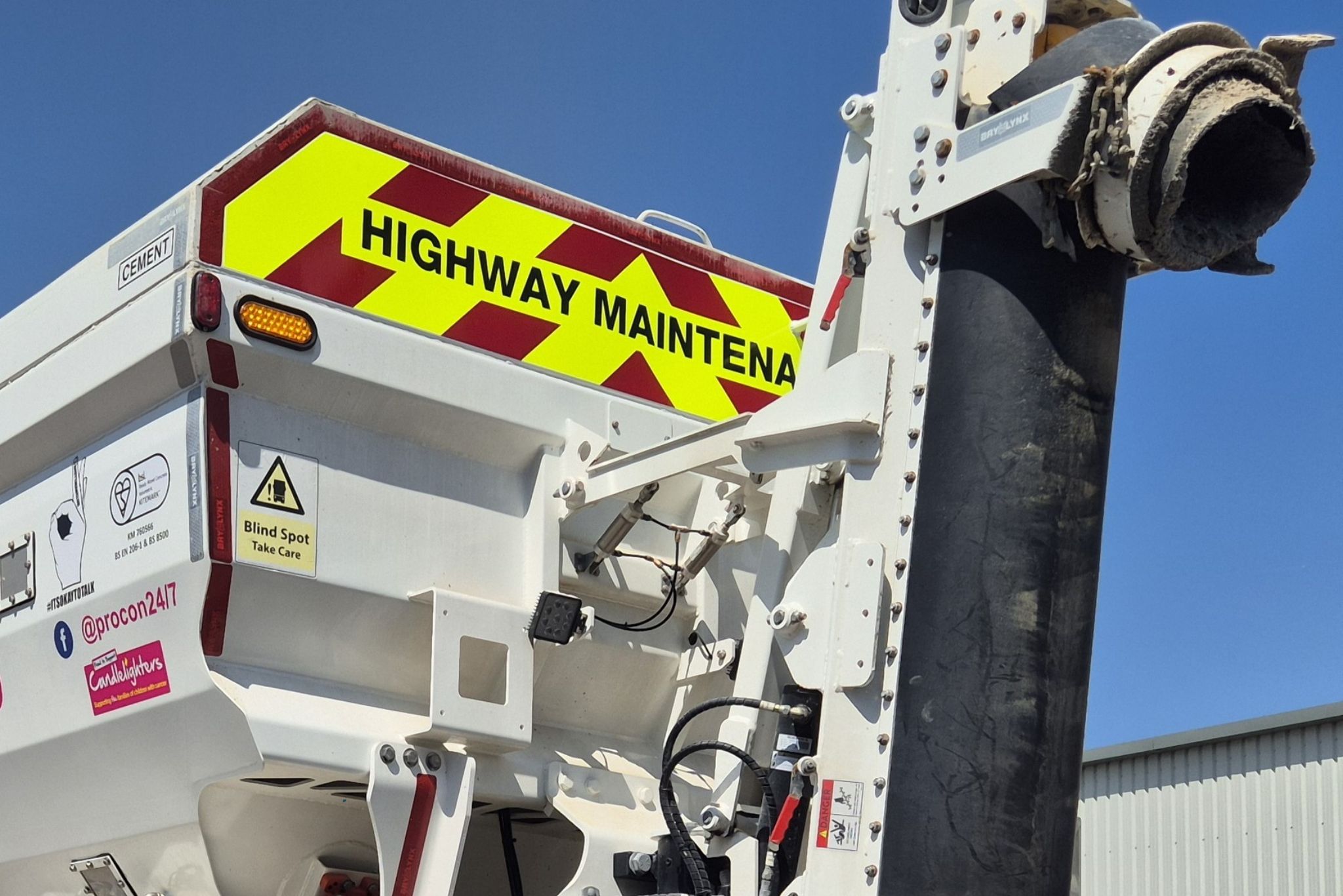
Chapter 8 chevrons provide a highly visible combination of fluorescent and reflective markings designed to help approaching drivers identify a stationary or slow-moving works vehicle.
What Are Chapter 8 Chevrons?
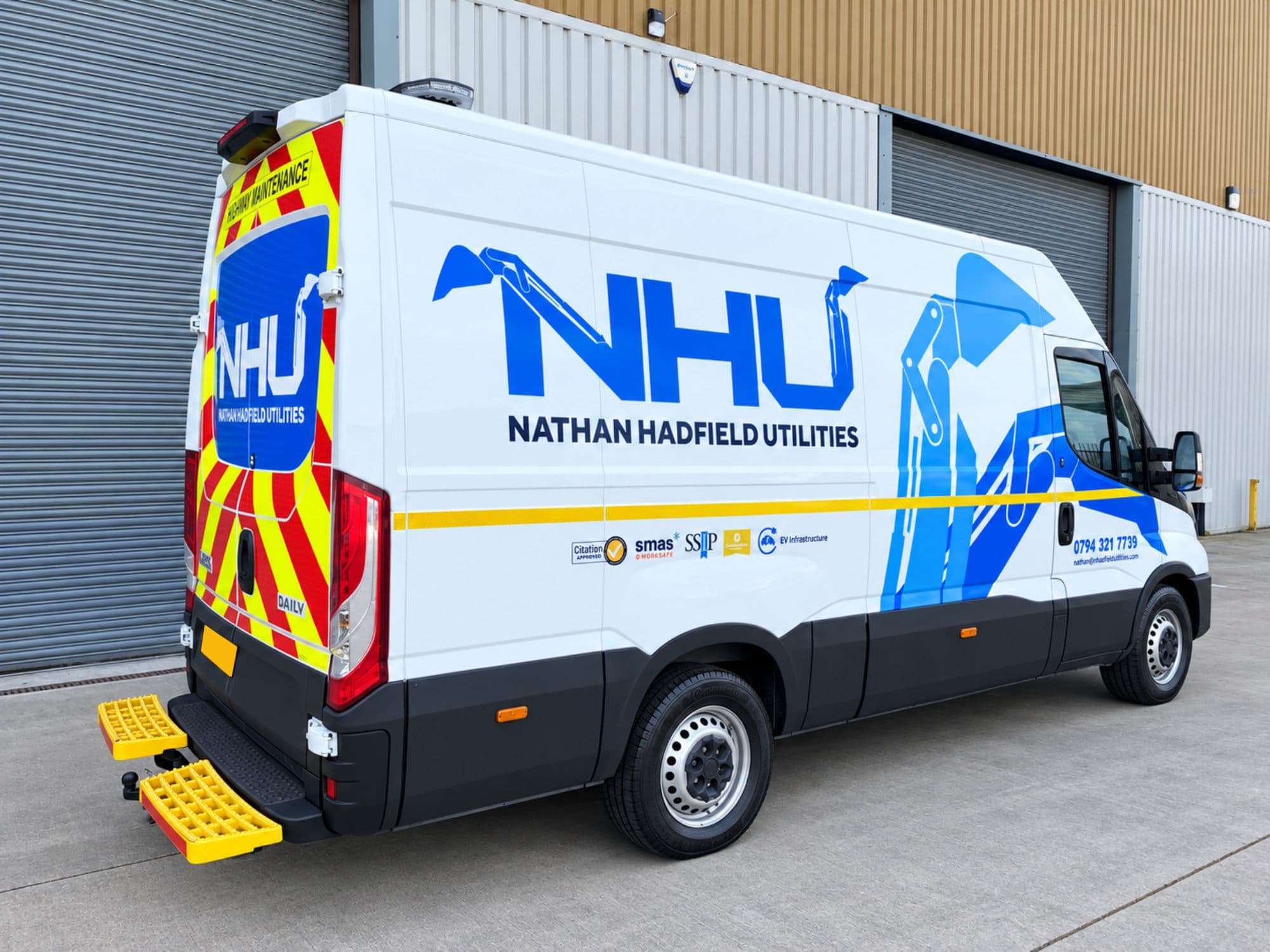
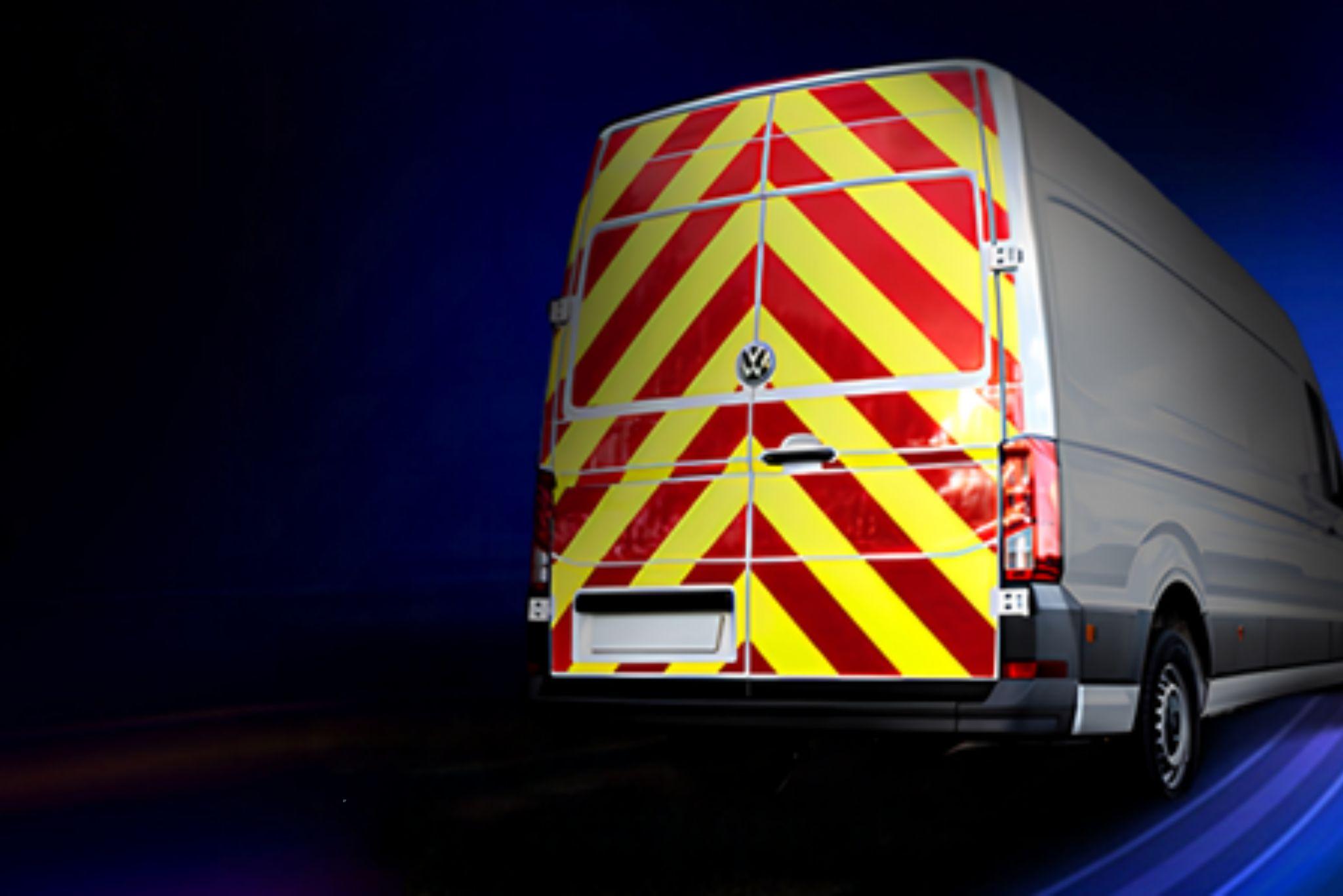
Chapter 8 chevrons are the alternating red and yellow markings commonly seen across the rear of highway maintenance vehicles, recovery trucks, construction vans and other roadside working vehicles.
The red sections use retroreflective material designed to reflect light from approaching headlights. The fluorescent yellow sections provide additional visibility during daylight, dusk and poor weather.
The chevrons point upwards and should cover as much of the rear-facing area as possible without obstructing the registration plate, lights, windows or other essential vehicle features.
Which Vehicles Need Chapter 8 Chevrons?
Chapter 8 of the Department for Transport’s Traffic Signs Manual covers road works and temporary traffic management. Its guidance applies particularly to vehicles stopping on the highway for works or inspection purposes.
On high-speed roads, vehicles stopping for works or inspections should have suitable high-visibility rear markings. Within Chapter 8, a high-speed road is generally considered to be one with a permanent speed limit of 50mph or more.
Vehicles that may require Chapter 8 markings include:
- Highway maintenance vehicles
- Road repair and resurfacing vehicles
- Utility and telecommunications vans
- Recovery and roadside assistance vehicles
- Surveying and inspection vehicles
- Traffic management vehicles
- Civil engineering and construction vehicles
- Grounds maintenance vehicles working beside roads
- Vehicles used to protect a roadside workforce
The requirement depends on what the vehicle does, where it stops and the conditions in which it operates. Simply owning a commercial van does not automatically mean that it needs Chapter 8 chevrons.
Is Chapter 8 a Legal Requirement?
Chapter 8 is a code of practice rather than a blanket piece of legislation in Great Britain. It provides guidance designed to help organisations meet their wider legal health and safety responsibilities when undertaking road works or temporary traffic management.
Failing to follow the guidance is not automatically an offence. However, compliance may be considered when determining whether suitable safety precautions were taken if an incident occurs.
Chapter 8 requirements may also form part of:
- A highways contract
- A client’s procurement requirements
- A principal contractor’s site rules
- A company risk assessment
- An insurer’s expectations
- A fleet or health and safety policy
For many contractors, having correctly marked vehicles is therefore essential for securing work and gaining access to particular sites.
What Are the Chapter 8 Requirements for High-Speed Roads?
The guidance states that vehicles stopping on high-speed roads for works or inspections should be fitted with high-visibility rear markings.
These can include alternating strips of fluorescent orange-red retroreflective material and fluorescent yellow non-reflective material. The individual strips should be at least 150mm wide, positioned at an angle of between 45 and 60 degrees and arranged so they point upwards.
The markings should cover as much of the rear of the vehicle as possible without covering:
- Vehicle lights
- Registration plates
- Windows
- Safety equipment
- Essential signs or instructions
Red retroreflective material may also be required on rear-facing edges of open doors, equipment lockers and guardrails. This helps approaching traffic identify open sections of a working vehicle after dark.
Does Every Vehicle Working On-Site Need Chevrons?
There is no universal rule stating that every vehicle entering a construction or industrial site must carry Chapter 8 chevrons.
However, employers and site operators have responsibilities to manage workplace transport risks. Vehicles should be suitable for the work and sufficiently visible to pedestrians, plant operators and other drivers.
A site risk assessment may identify a need for:
- High-visibility vehicle markings
- Reflective tape
- Warning beacons
- Additional vehicle lighting
- Reversing alarms
- Cameras or proximity sensors
- Clearly marked pedestrian and vehicle routes
Principal contractors and site operators can also set their own entry requirements. Some will only allow vehicles with specified safety markings, particularly where they operate alongside heavy plant or within busy delivery and loading areas.
Businesses should check the site rules before sending a vehicle to a new project.
Why Darker Nights Increase the Risk
During autumn and winter, vehicles regularly begin and finish work in darkness. Rain, spray, fog and low winter sunlight can reduce visibility further.
A plain vehicle parked near moving traffic can be difficult for approaching drivers to identify quickly. The risk increases when doors are open, equipment is being unloaded or employees are working close to the carriageway.
Chapter 8 chevrons use contrasting fluorescent and reflective materials to improve visibility in different conditions. The fluorescent yellow sections help the vehicle stand out during the day and at dusk, while the red retroreflective sections react to approaching headlights after dark.
Do Standard Vehicle Graphics Count as Chapter 8 Markings?
No. A company logo, telephone number or standard printed vehicle wrap does not automatically meet Chapter 8 guidance. Most standard vehicle graphics are not reflective. Although strong colours and good contrast can make branding easier to see, they do not provide the same function as approved high-visibility materials.
A vehicle can carry both company branding and Chapter 8 markings. The design should be planned carefully so the company identity remains clear without reducing the visibility or effectiveness of the safety markings.
Can Chapter 8 Chevrons Be Added to a Branded Van?
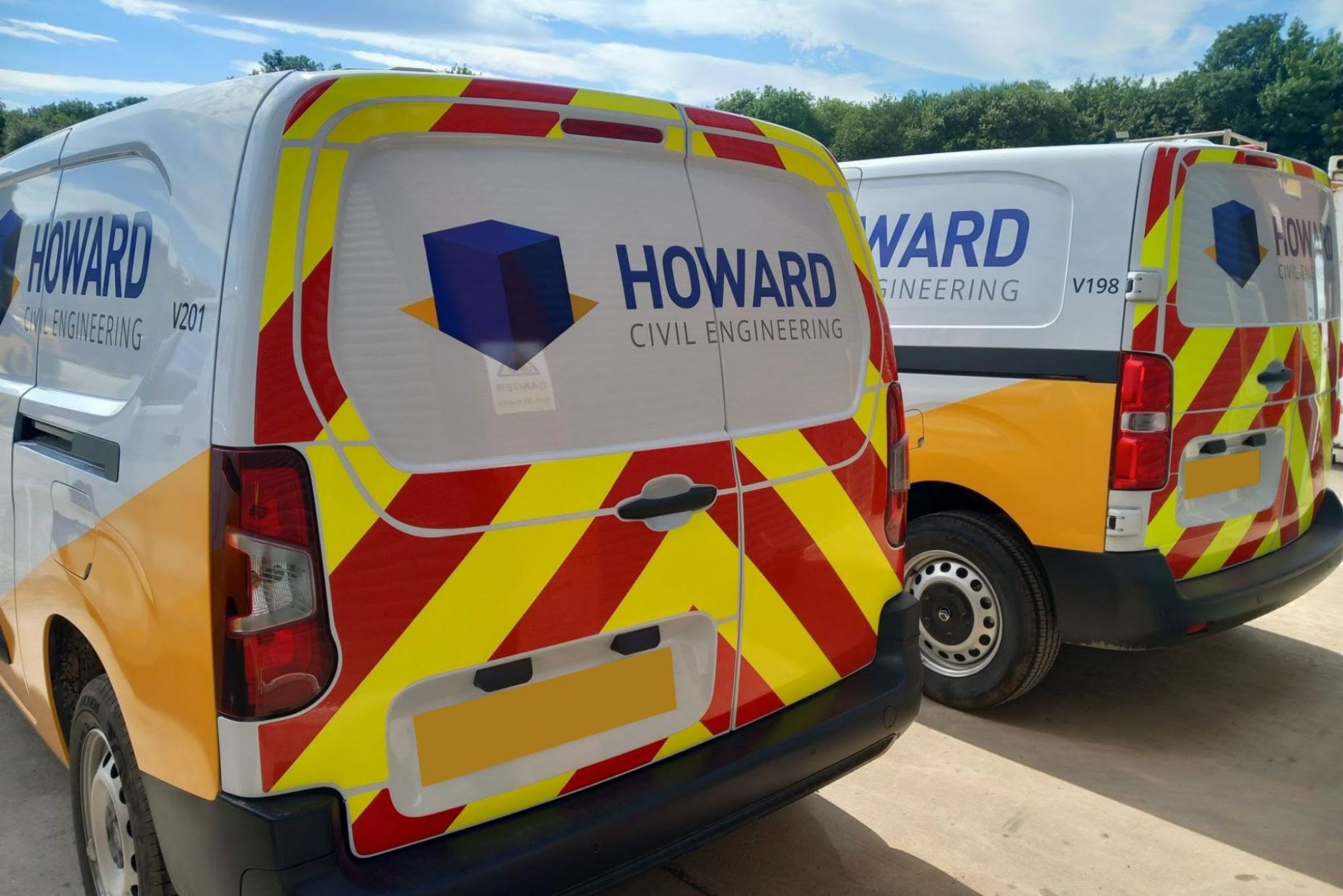
Yes. Chapter 8 chevrons can usually be incorporated alongside existing vehicle graphics or included within the design of a new fleet livery. The rear doors and panels will need to be measured so the chevrons fit correctly around handles, windows, lights, hinges and registration plates.
Company logos and contact details can then be positioned on the sides or suitable areas of the rear. This allows the vehicle to retain a consistent fleet identity while carrying the appropriate high-visibility markings.
Are HGV Conspicuity Markings the Same as Chapter 8 Chevrons?
No. HGV conspicuity markings and Chapter 8 chevrons are related to vehicle visibility, but they are not the same requirement.
Certain heavy goods vehicles and trailers must carry outline conspicuity markings under separate vehicle lighting regulations. These markings help other road users identify the vehicle’s length, width and shape at night.
Chapter 8 chevrons are rear-facing markings associated with vehicles stopping or working on the highway. Some vehicles may require both, depending on their size and use.
Keep Your Chevrons Clean and Complete
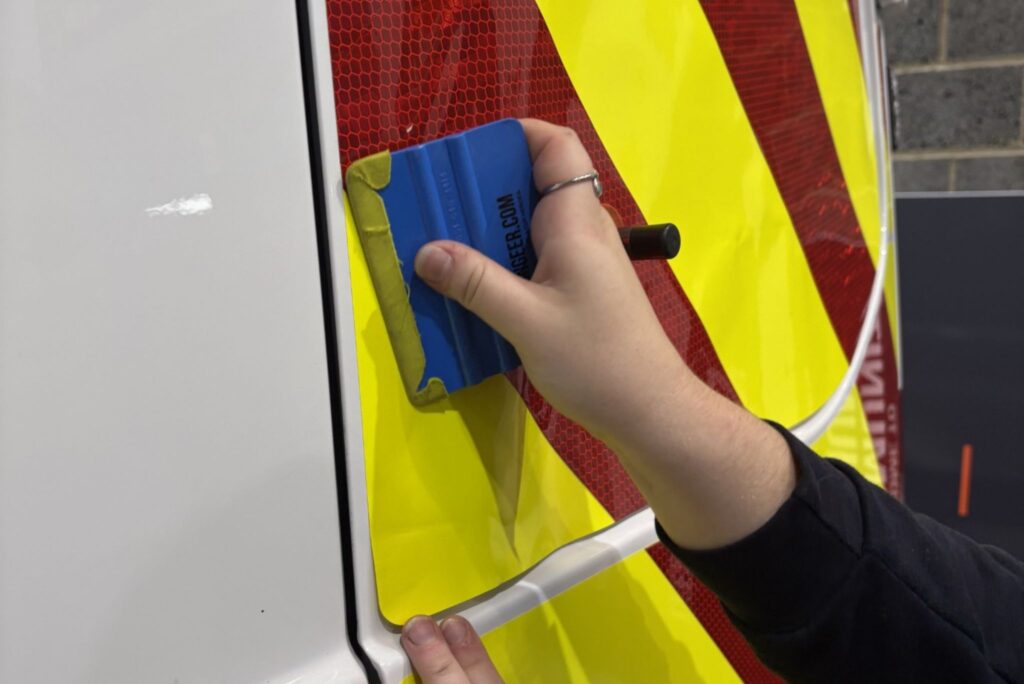
Installing chevrons is only part of maintaining a visible and compliant working vehicle. Reflective markings cannot perform effectively if they are covered in dirt, badly damaged or partially missing.
Fleet checks should look for:
- Peeling or lifting material
- Missing sections
- Faded fluorescent yellow markings
- Damaged reflective red strips
- Repairs covering part of the chevrons
- Mud and road dirt reducing visibility
- New equipment obstructing the markings
Damaged sections may be replaceable without renewing the entire kit. However, older materials can fade over time, so the replacement needs to be assessed against the condition of the existing chevrons.
Made-to-Measure Chapter 8 Chevron Kits
Chapter 8 markings need to fit the individual make and model of the vehicle. Differences in rear doors, handles, windows, hinges, lights and bodywork mean that one standard kit will not suit every van or truck. Paul Turner Signwriters supplies and professionally installs made-to-measure Chapter 8 chevron kits for cars, vans, trucks and commercial fleets.
Our team will assess the vehicle, produce the correct kit and fit the markings carefully around the existing rear features. We can also incorporate company logos and commercial vehicle graphics to create a consistent and professional fleet design.
Be Ready for Your Next Job
Do not wait until a client or site manager turns a vehicle away before checking whether it has the correct markings. If your vehicles stop on public roads, undertake inspections, support highway work or operate on sites with strict transport requirements, now is a good time to review your fleet.
Paul Turner Signwriters can supply and install high-visibility Chapter 8 chevrons for individual vehicles and commercial fleets across Leeds, Yorkshire and the UK.
Frequently Asked Questions
Are Chapter 8 chevrons legally required in the UK?
Chapter 8 is a code of practice and does not have blanket statutory force across Great Britain. However, it helps organisations meet their wider safety duties and may be required by highways contracts, clients, principal contractors, insurers or site rules.
Which vehicles need Chapter 8 chevrons?
They are primarily intended for vehicles that stop or work on public roads, particularly high-speed roads. This can include highway maintenance, utility, recovery, inspection, traffic management and construction vehicles.
What is classed as a high-speed road under Chapter 8?
Chapter 8 generally defines a high-speed road as a road with a permanent speed limit of 50mph or more. Vehicles stopping on these roads for works or inspections should carry suitable high-visibility rear markings.
Do construction vehicles need Chapter 8 chevrons?
Not every construction vehicle automatically requires them. However, they may be required if the vehicle works or stops on the highway, or if a principal contractor, client or site risk assessment specifies high-visibility markings.